


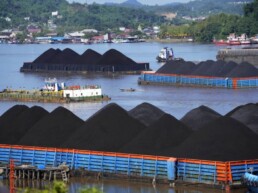
National Energy Plan Criticized for Continued Reliance on Fossil Fuels
RUEN still targets the development of coal-fired power plants. BETAHITA.ID — Civil society organizations under the Clean Energy Civil Society Coalition (KMSEB) have raised…
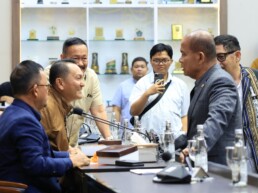
PWYP Indonesia Coalition Criticizes Key Provisions of the Oil and Gas Bill
Jakarta — The Publish What You Pay (PWYP) Indonesia Coalition has raised concerns over several provisions in the Draft Oil and Gas Law (Oil and Gas Bill), which was approved as a…
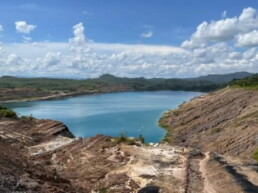
NU Coal Mine Could Worsen the Plight of the Dayak Basap Indigenous Community and Trigger Disasters
Masri, a member of the Dayak Basap Indigenous Community, was leisurely sipping a cup of steaming boiled herbal roots one afternoon in Tebangan Lembak Village, Bengalon, East…
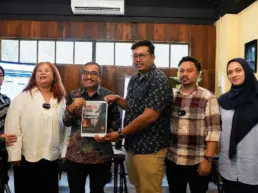
Civil Society Criticizes RUEN, Calls for a Transition Away from Fossil Fuels
Civil society organizations have criticized the preparation of RUEN 2026–2035 and called for energy policies that reduce fossil fuel dependence while protecting communities. Civil…

Criticism of RUEN Substance, Civil Society: Time to Move Beyond Fossil Fuels and Put People First
JURNALTODAY.CO, NATIONAL – Civil society organizations under the Civil Society Coalition for Clean Energy have voiced criticism and recommendations regarding the preparation of…
Criticism of RUEN’s Substance, Civil Society: Time to Move Beyond Fossil Fuels and Put People First
Jakarta – Civil society organizations under the Civil Society Coalition for Clean Energy have voiced criticism and put forward a number of recommendations regarding the ongoing…
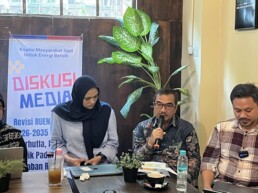
Renewable Energy Target Missed, Preparation of RUEN 2026–2035 Deemed Not Yet Inclusive
RUEN 2026–2035 has yet to position the principles of Gender Equality, Disability, and Social Inclusion (GEDSI) as an important part of its preparation process. The government has…
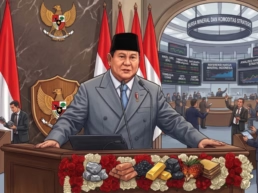
Can Indonesia Become a Global Standard Setter Through Its Mineral Exchange?
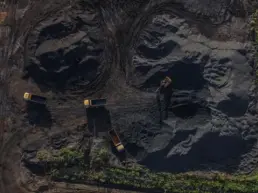
A total of 12,607 abandoned tin-mining pits remain unreclaimed across the Bangka Belitung Islands, stretching across approximately 15,579.7 hectares of scarred land. This wounded…
Mineral Exchange Must Become the Standard for Responsible Critical Mineral Management
ResponsiBank Indonesia considers the government’s plan to establish the Mineral and Strategic Commodities Exchange (BMKS) an important foundation for developing an Indonesia…
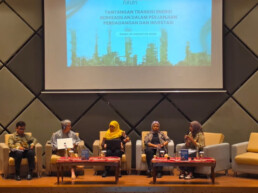
Including in Indonesia, ISDS Mechanism Seen as Hindering Climate Policies in Southeast Asia
Warta Ekonomi, Jakarta — More than 70 civil society organizations across Southeast Asia have called on governments of the Regional Comprehensive Economic Partnership (RCEP) member…