


JAKARTA, June 22, 2026 – How does a corporate leader make decisions when investment demands, business sustainability, human rights, and community interests are in conflict? This question became the starting point for developing the case study Navigating the Future of Indonesia’s Critical Minerals: Responsible Business Conduct, Competitiveness, and Global Expectations, disseminated by Publish What You Pay (PWYP) Indonesia in collaboration with the Raoul Wallenberg Institute (RWI), PAHAM at the Faculty of Law, Universitas Padjadjaran (Unpad), and the School of Business and Management at the Bandung Institute of Technology (SBM ITB).
This case study is the result of nearly two years of cross-disciplinary collaboration aimed at bringing real-world issues from Indonesia’s critical minerals sector into the learning process. Through a case method approach, the material is designed to equip future professionals with the ability to analyze real dilemmas, understand diverse stakeholder perspectives, and make responsible decisions amid the complexities of business interests, human rights, sustainability, and governance.
The urgency of this learning approach is growing as Indonesia’s role in the global critical minerals supply chain expands. With approximately 42 percent of global nickel reserves and accounting for more than half of the world’s nickel production, Indonesia is no longer just expected to be a major producer—it must also ensure that mining practices adhere to Responsible Business Conduct (RBC) principles, respect human rights, and meet sustainability standards, which have become prerequisites for accessing global markets.
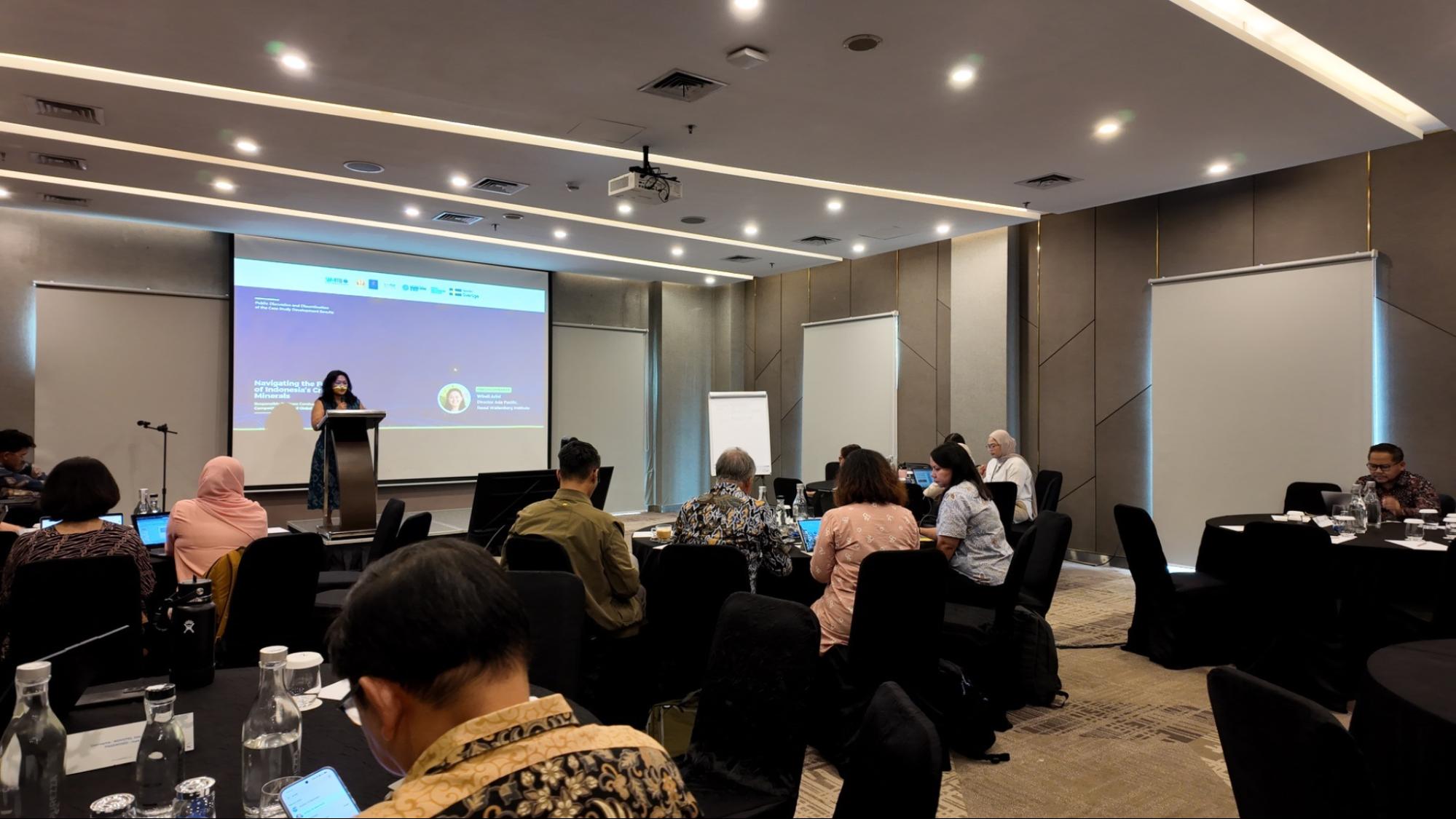
Windy Arini, Asia Pacific Director of the Raoul Wallenberg Institute (RWI), emphasized that changes in the global regulatory landscape have transformed how the world views business practices. International standards such as the Corporate Sustainability Due Diligence Directive (CSDDD) in the European Union have made sustainability no longer merely a voluntary commitment, but part of corporate obligations.
“We can no longer educate future legal and business professionals using only doctrinal texts or rigid regulations. They need to be trained to make fair, swift, and ethical decisions when these rules clash with economic and social realities on the ground.”
Based on this understanding, the case study was developed through collaboration among academics, practitioners, and civil society organizations, combining legal, business, and human rights perspectives. Chloryne Trie Isana Dewi, a researcher at PAHAM, Faculty of Law, Universitas Padjadjaran, explained that this approach emerged from the need to bridge two disciplines that have traditionally operated in silos.
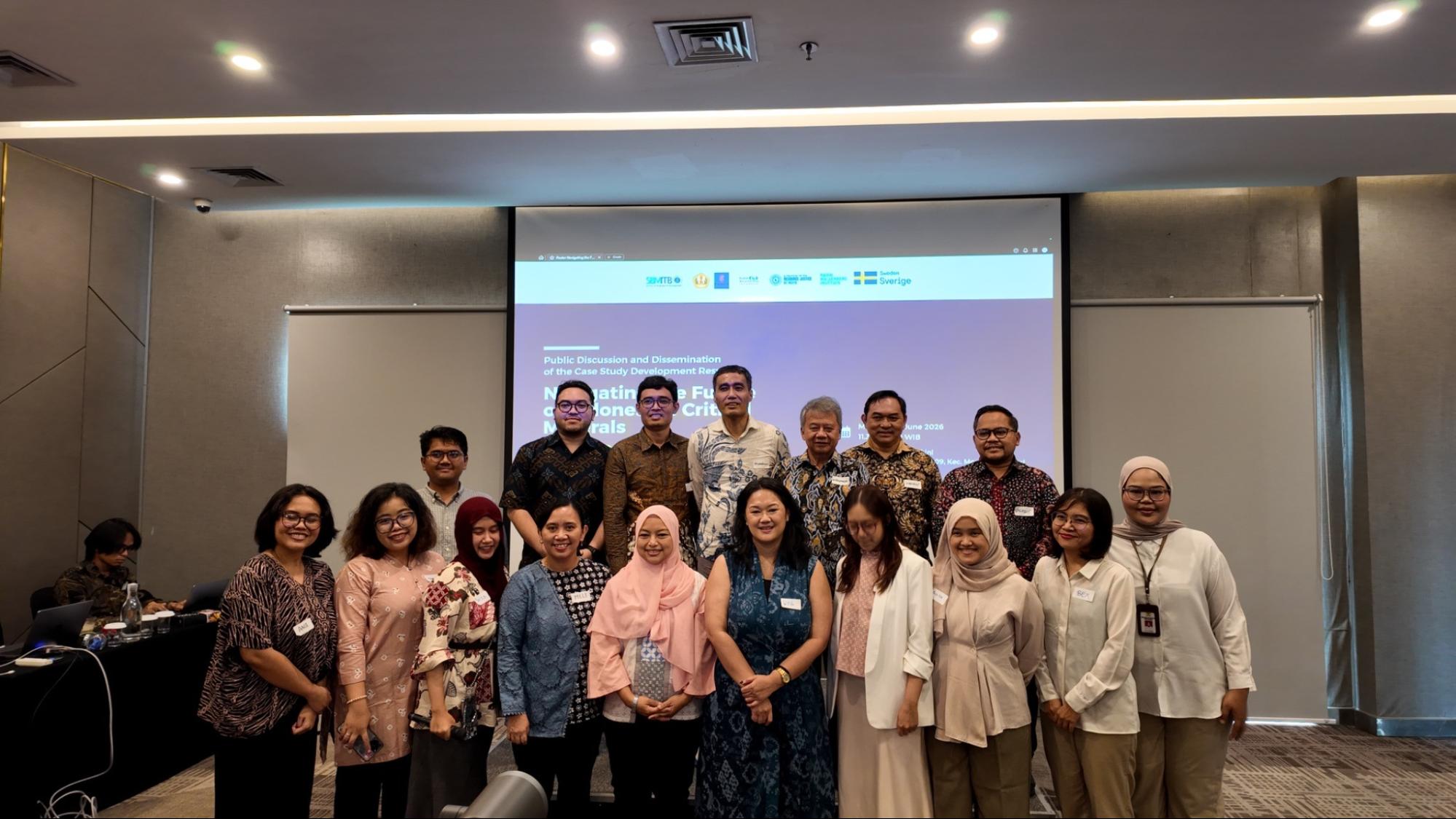
As a learning context, the team selected the nickel sector and used PT Vale Indonesia as the case study. Various dynamics that have occurred, such as oil spill incidents, water pollution, and community relocation challenges, were raised not to condemn the company, but to present real situations that illustrate the complexity of implementing Responsible Business Conduct in the critical minerals sector.
According to Dr. Manahan Sialagan from SBM ITB, the main strength of the case study method lies not in the final answer, but in the process of analysis and decision-making. Participants are encouraged to consider various legal, business, social, and ethical consequences before determining a course of action.
This approach was demonstrated through a live teaching demonstration session. Participants were divided into five groups representing the company, government, community, civil society organizations, and academics to respond to the same issue from their respective perspectives. This simulation showed that issues in the critical minerals sector cannot be understood through a black-and-white approach. Every decision always involves interwoven considerations of economic interests, environmental protection, community rights, and sustainability.
The learning continued in a Multi-stakeholder Reflection session titled From Case to Reality, moderated by Meliana Lumbantoruan, Deputy Director of PWYP Indonesia. The discussion brought together perspectives from academics, research institutions, civil society organizations, and international institutions to connect the various dilemmas in the case study with the real-world challenges of governance in Indonesia’s critical minerals sector.
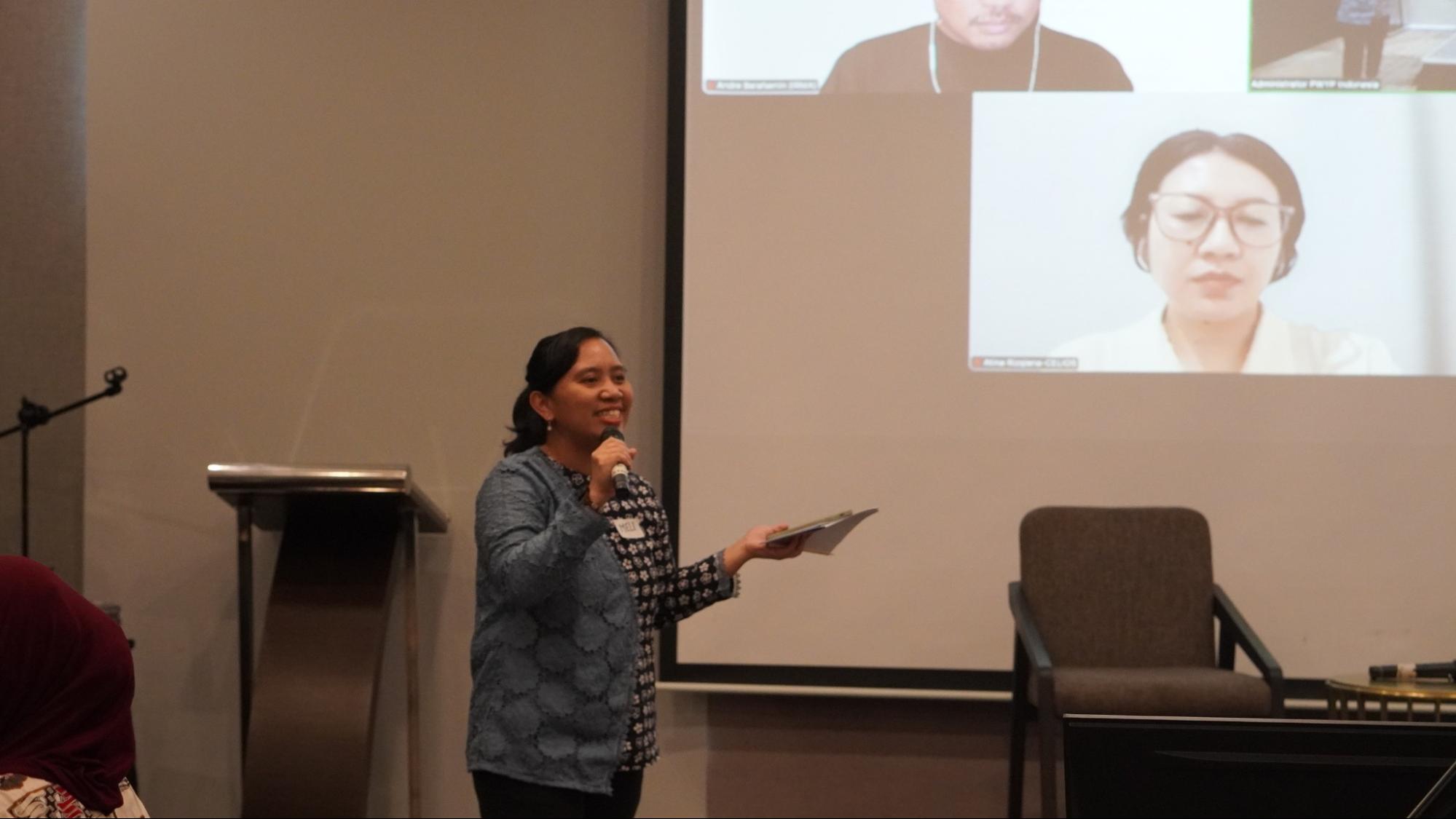
During the session, Dr. Widhyawan Prawiraatmadja from SBM ITB emphasized the importance of bringing the Indonesian context into the learning process, while Atina Rizqiana from CELIOS pointed out that the implementation of business and human rights in Indonesia still faces challenges in the form of fragmented monitoring instruments that tend to focus on administrative compliance. From the perspective of international standards, Andre Barahamin from IRMA stressed that audit transparency is not about embarrassing companies, but about building trust and encouraging continuous improvement in global supply chains.
This dissemination demonstrates that business and human rights learning cannot be adequately conducted through theory and regulations alone. Through teaching notes and the case method approach, this case study is expected to be adopted by various universities and training institutions as a learning medium that encourages critical analysis, cross-disciplinary dialogue, and responsible decision-making.
Amid the increasingly complex challenges of the critical minerals sector, Indonesia needs future professionals capable of balancing business interests, human rights, and sustainability. The collaboration between PWYP Indonesia, RWI, PAHAM Faculty of Law Unpad, and SBM ITB represents an initial step toward delivering more contextual learning while strengthening the governance of Indonesia’s critical minerals sector—making it fair, transparent, and sustainable.
Writer: M. Adzkia Farirahman
Reviewer: Meliana Lumbantoruan