


Jakarta, IDN Times — TuK INDONESIA, together with civil society organizations (CSOs) from various countries, is urging 190 financial institutions to tighten financing policies for sectors that pose risks of driving deforestation, peatland degradation, and forest fires. The call was delivered through an open letter ahead of the potential intensification of the El Niño phenomenon through 2027.
“El Niño cannot be prevented, but its impacts can be minimized if the financial sector stops financing business models that destroy forests. Therefore, the financial sector cannot be treated as a neutral actor in addressing the climate crisis,” said Linda Rosalina, Executive Director of TuK INDONESIA, in a statement cited on Thursday (30/7/2026).
1. El Niño Seen as Increasing Fire Risks
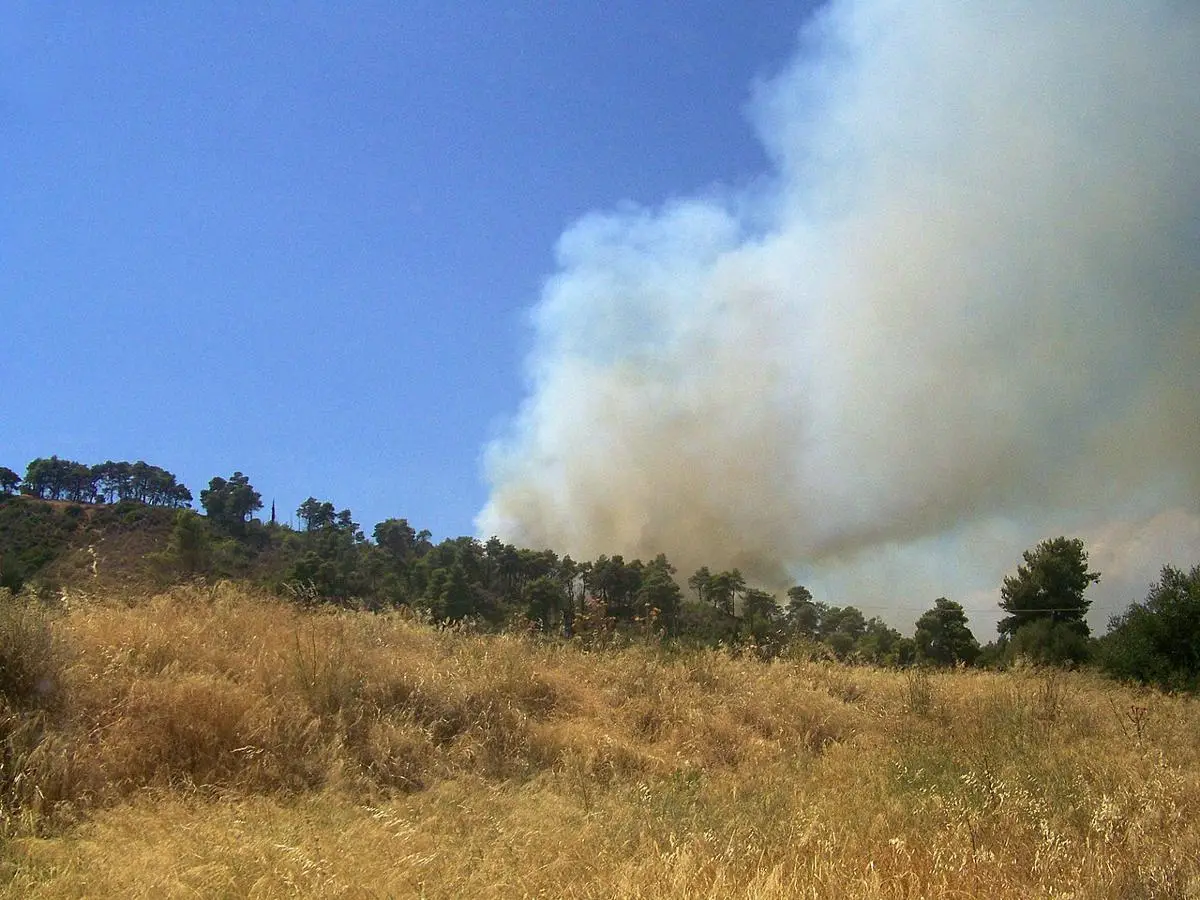 TuK INDONESIA cited projections from the National Oceanic and Atmospheric Administration (NOAA) and the World Meteorological Organization (WMO), which estimate that El Niño could develop to moderate-to-strong levels in 2027. Data from Nusantara Atlas also recorded 103,144 hectares of burned area in Indonesia as of June 2026, while the number of hotspots reached 96,736 as of 27 July 2026.
Linda said the severity of fires is influenced by how forests and land are managed.
“NDPE commitments must be implemented through due diligence processes covering all clients and financing portfolios. Without this, sustainability policies will remain promises on paper, while ecological damage and social costs continue to be borne by communities,” she said.
2. Bank Financing Under Scrutiny Data from Forests & Finance shows that global financial institutions provided at least US$429 billion to sectors driving deforestation between 2016 and 2025. Meanwhile, financing for mining operations in Indonesia reached US$32 billion between 2016 and 2024.
National Coordinator of Publish What You Pay (PWYP) Indonesia, Aryanto Nugroho, said banks’ sustainability commitments would be meaningless if financing for high-risk sectors continues.
“Banks’ sustainability policies cannot be selective. Stop financing peatland destroyers, halt financing for mining, and immediately phase out support for coal-fired power plants,” Aryanto said.
3. OJK Urged to Tighten Regulations
 Victoria Fanggidae, Executive Director of PRAKARSA, said that the banking sector’s preparedness remains low. According to the ResponsiBank Indonesia Bank Rating, the average score for banks’ policies was only 2.1 out of 10.
“A score this low means that most banks’ forestry policies have yet to address critical issues such as prohibiting peatland conversion, respecting community rights, and ensuring supply-chain transparency. As El Niño approaches, these policy weaknesses are becoming real risks on the ground,” Victoria said.
They also called on banks to stop financing companies that fail to implement NDPE commitments and to strengthen due diligence across their entire financing portfolios.
Sumber: IDN Times