


Central Lombok – For the 401 households in Lantan Village, North Batukliang District, Central Lombok, 150 hectares of land are more than just a stretch of soil. Cultivated by local residents for years, the land is a source of livelihood and an integral part of the living space they are determined to protect.
Today, however, the area is facing a threat from non-metallic mineral mining activities, particularly pumice quarrying. The threat is not merely about the loss of productive land. Mining activities also have the potential to disrupt the area’s water catchment functions, threaten springs, and affect the sustainability of local agriculture and plantations.
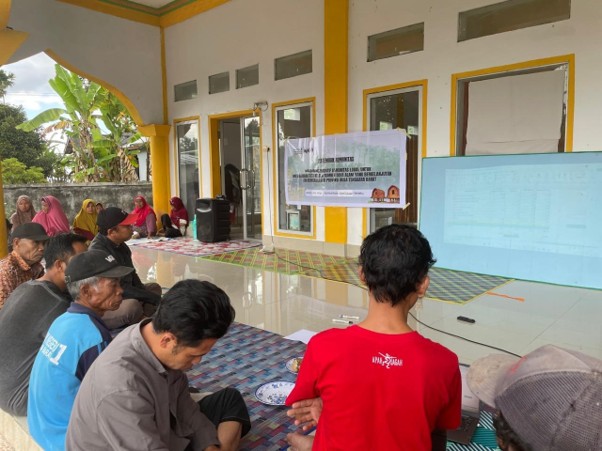
For the people of Lantan, therefore, mining is not simply an economic issue. It is also about protecting the living spaces and ecosystems that sustain their communities.
This situation prompted the GEMA Rinjani Community to organize a village meeting in Lantan Village on August 9, 2026. The meeting provided a space for residents to discuss the future of their area, strengthen their understanding of environmental issues, and develop collective efforts to protect community-managed spaces from pressure caused by extractive activities.
A Living Space Under Threat
For local communities, the land they manage is closely connected to their livelihoods. Agricultural and plantation areas serve both as productive spaces and sources of household income. At the same time, upstream and water catchment areas play an important ecological role in sustaining community life.
Mining activities have the potential to severely disrupt or even destroy these upstream and water catchment areas, while also eliminating productive land managed by communities and relied upon as a source of livelihood. This is therefore not merely an issue of ecological impact, but also one of the long-term sustainability of people’s living spaces.
The village meeting was initiated in response to these concerns. It aims to strengthen community organizing and build residents’ capacity to defend the land they manage, while promoting natural resource governance based on social and ecological justice.
Strengthening community capacity is essential so that residents can identify and understand the challenges facing their territory, document environmental conditions, develop community-led environmental protection and restoration initiatives, and articulate their interests in policymaking processes.
Through these efforts, community-based initiatives are expected to encourage policies that strengthen the protection of community-managed areas and prevent the expansion of extractive industries that threaten landscapes across West Nusa Tenggara (NTB).
During the village meeting, residents agreed to advocate for community-managed spaces through agrarian reform, collective land management, and the protection of their territory from extractive activities.
150 Hectares for 401 Households
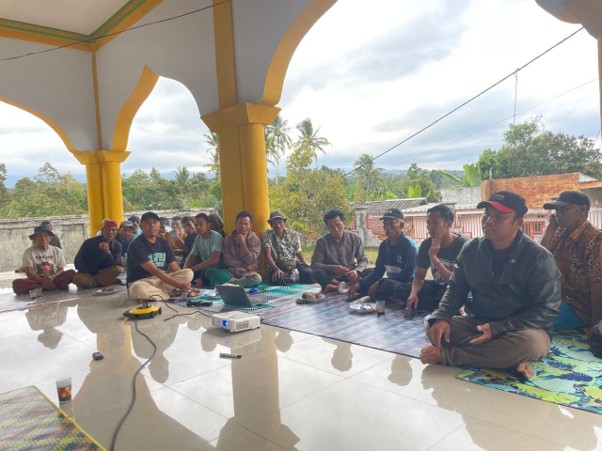
One of the key issues discussed was securing the status of approximately 150 hectares of land that have been managed by 401 households. The land has been cultivated by local communities for many years and remains an important source of livelihood for them.
The community is advocating for the land to gain legal certainty and recognition through the Agrarian Reform Land Objects (TORA) scheme. The land would subsequently be managed collectively through community institutions, with the idea of ownership or control being organized on an institutional or communal basis. This would allow the land to be maintained as a shared living space and a source of livelihood for the community in the long term.
At the same time, the community will encourage the Lantan Village Government not to open space for mining activities that could threaten the ecological functions of the upstream area and the sustainability of local agricultural land.
This approach strengthens the community’s position as a key actor in defending its managed territory while advancing sustainable and socially and ecologically just natural resource governance.
What this community is doing is a form of advocacy that needs to be expanded to the provincial level. It is an important step toward ensuring that land, sources of livelihood, and natural resources are managed primarily for the benefit of the people.
Ultimately, the idea emerging from Lantan is about who gets to determine the future of natural resources. When land and water sources sustain people’s lives, their management should not be determined solely by the interests of extraction. People’s living spaces must be protected, managed sustainably, and provide the greatest possible benefit to the communities who live there.
Authors: Ariyansah NK & WALHI NTB
Reviewer: Meliana Lumbantoruan