


Jakarta, July 18, 2025 — Publish What You Pay (PWYP) Indonesia, together with other civil society organizations including Enter Nusantara, Indonesia Parliamentary Center (IPC), Koalisi Perempuan Indonesia (KPI), and the Association of LBH APIK Indonesia, submitted a series of recommendations regarding the selection process for Stakeholder Members (APK) of the National Energy Council (DEN) for the 2026–2030 period.
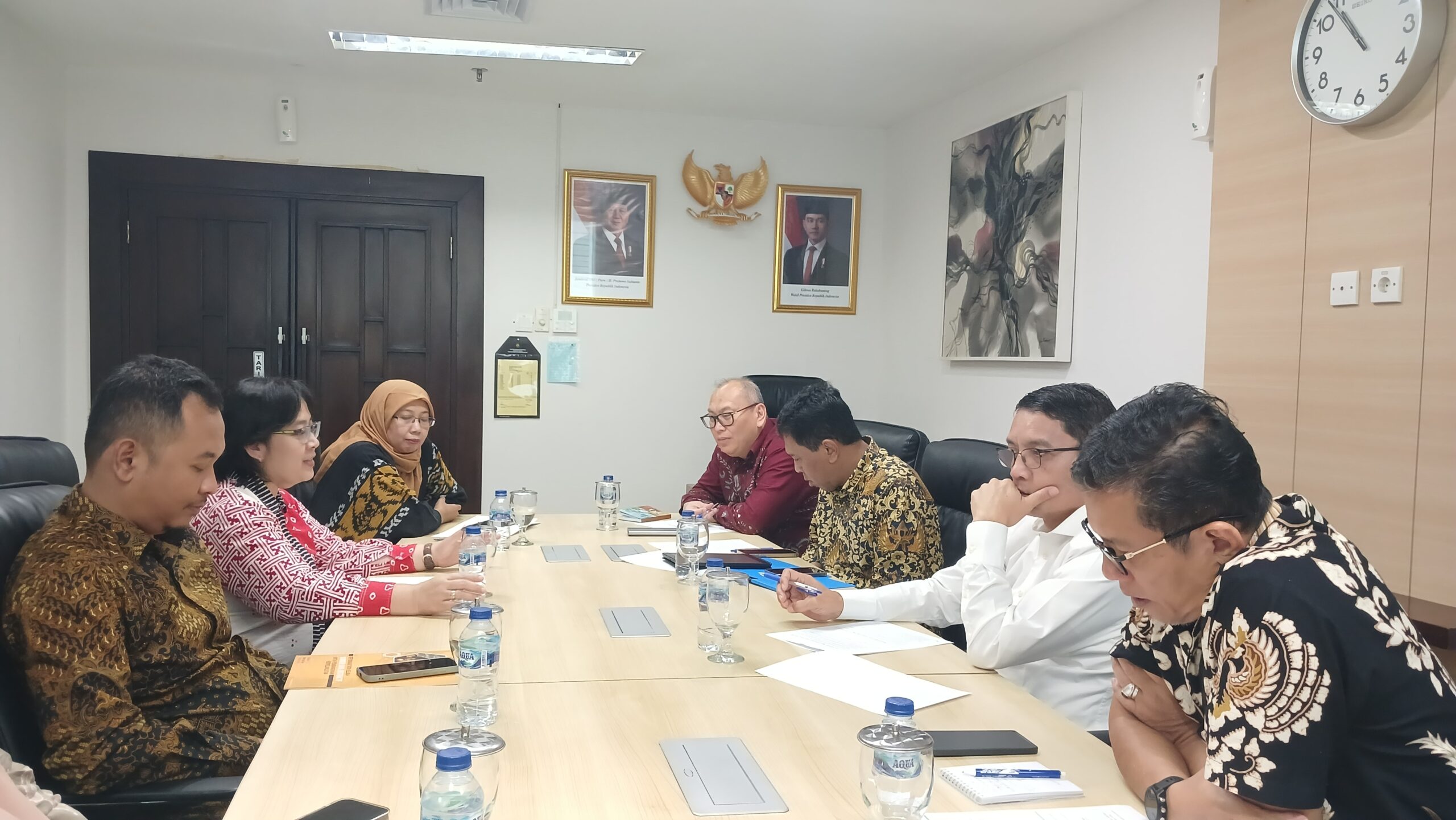
The recommendations were presented during an audience meeting with the Secretary General of the Ministry of Energy and Mineral Resources (MEMR), Dadan Kusdiana, at the MEMR office on Jalan Medan Merdeka Selatan, Central Jakarta, on July 18, 2025. Dadan was accompanied by several officials from the Secretariat General of DEN, including a member of the selection team for prospective DEN Stakeholder Members.
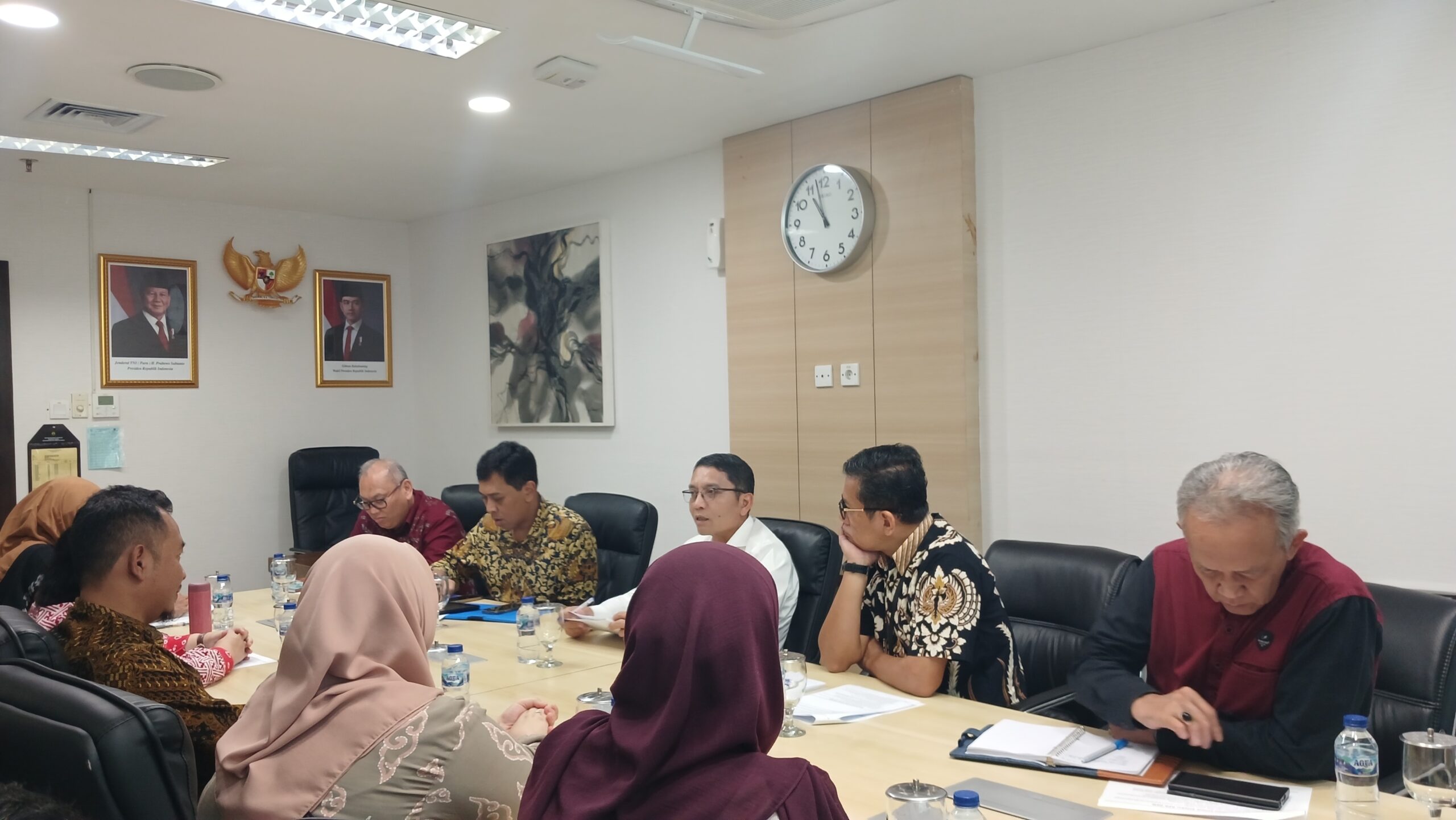
The recommendations were delivered in the form of five key points representing the stance of PWYP Indonesia and several other civil society organizations:
- Candidates for DEN APK must ensure a just energy transition, and should not be individuals who perpetuate dependency on fossil fuels.
- Free from conflicts of interest. The selection process must be independent of political affiliations or corporate interests, ensuring that DEN members can make impartial decisions in the public interest.
- Progressive vision for a just energy transition. DEN members must demonstrate a strong commitment to addressing the complex challenges of achieving a just energy transition and tackling climate change.
- Representation of women. The selection of DEN members must ensure that the interests of women and vulnerable groups are represented. Therefore, a 30% gender quota—at least 3 out of 8 APK members—should be affirmed.
- Transparency and public participation. The selection process must be transparent, accountable, and open to public input
Alongside these recommendations, civil society urged that the names of the selection or screening team be made public as a measure of transparency in the selection process. This is part of an effort to avoid structural, political, or ideological conflicts of interest. Civil society also called for at least 30% women representation in the composition of DEN APK, and for a selection process that prioritizes candidates who are pro–just energy transition and pro–gender equality. This can be done through a candidate profiling system using rating indicators ranging from “Fully Recommended” to “Highly Not Recommended.”
The proposed profiling criteria emphasize several essential aspects. 1) Candidates must demonstrate a strong understanding of and commitment to an inclusive just energy transition. 2) They must also have a proven track record of integrity, which includes adherence to the law, financial accountability, and freedom from conflicts of interest. 3) In addition, candidates should have no history or allegations of violence against women, and 4) must show a consistent record of professional performance and conduct.
Civil society also calls for meaningful public participation in the selection process. This includes providing opportunities for the public to submit feedback or relevant information about the candidates’ backgrounds, as well as ensuring that candidate profiles are disclosed in a more detailed and accessible manner. At a minimum, these profiles should include information about each candidate’s educational background, employment history, and organizational affiliations. Moreover, civil society encourages the public broadcasting of candidate interviews, allowing the broader public to witness the process and thus contributing to greater transparency and accountability.
The National Energy Council (DEN), established under Law No. 30 of 2007 on Energy, plays a strategic role in shaping and implementing national energy policy in Indonesia. According to Article 12 of the law, DEN is mandated to design and formulate the National Energy Policy (KEN) for approval by the government and the House of Representatives (DPR), establish the General National Energy Plan (RUEN), determine appropriate measures to address energy crises and emergencies, and oversee the implementation of cross-sectoral energy policies.
In light of this crucial mandate, ensuring a transparent and credible selection process for DEN stakeholder members is a strategic step in guiding national energy policy and its execution. It is also fundamental to advancing a fair, inclusive, and accelerated energy transition in Indonesia.