



Corruption Eradication Commission (KPK) and Efforts to Save Indonesia’s Natural Resources
Amid various efforts to weaken the Corruption Eradication Commission (KPK) has played a significant role in saving Indonesia's natural resources. Under the Coordination and…
Indigenous People in The Midst of Extractive Industries’ Domination
Indigenous peoples, especially those living in around forests and hinterland areas, often receive direct impacts from extractive industry activities, particularly in terms of…
Administration of Coal Permit under Coordination and Supervision of KPK
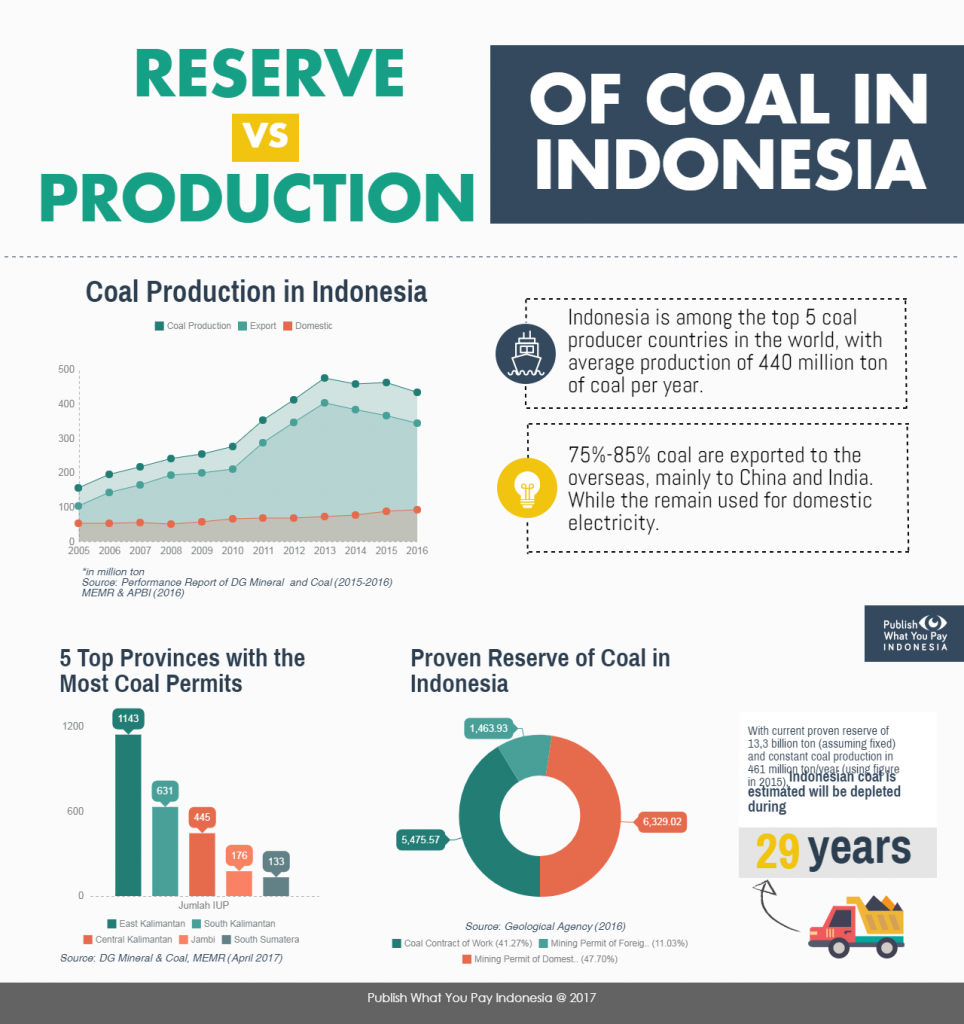
Indonesia is the world’s 5 largest coal producing country after China, United States ofAmerica, India and Australia. Before 2015, Indonesia is the world’s biggest coal…

Oil and Gas Extractive Industry and State Revenue
The following document is a short article to understand the oil and gas extractive industry and its revenue streams. This paper contains the stages of activities in the upstream…
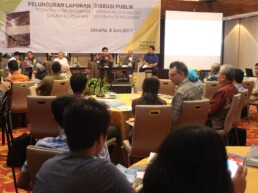
Public Discussion: Improving Coal Governance in Indonesia
Since 2014 the Corruption Eradication Commission (KPK), together with other stakeholders such as the Ministry of Energy and Mineral Resources, Ministry of Environment and…


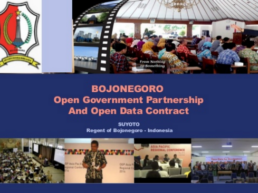
Open Contract Data for Oil and Gas Rich Areas
Bojonegoro Regency is a good example of an open government. This openness also makes contracts in Bojonegoro District Government open to the public. In the extractive sector,…
Extractive Industry Policy Innovations and Civil Society Movement in Southeast Asia: An Introduction
Good governance in extractive industries (EI) and natural resources has played an important role in development, particularly for economic and social welfare. A lack of good…

Gas Governance and Its Problem in Indonesia
This material was delivered in the Gas Governance and Problem Map in Indonesia, which took place on (12/15) yesterday. [presentation] In Publication, Presentation | PWYP Indonesia…