


Jakarta, October 27, 2025 – Publish What You Pay (PWYP) Indonesia continues to advocate for transparent and accountable governance of natural resources through various collaborative initiatives. Through a Focus Group Discussion (FGD) themed “Strengthening the Institutional and Regulatory Framework of EITI Indonesia” held on October 27, 2025, in Jakarta, the forum served as a strategic space to discuss the future of EITI Indonesia following the revocation of Presidential Regulation No. 82 of 2020.
The FGD was attended by representatives from government, industry, and civil society, including the Ministry of Energy and Mineral Resources (ESDM), the Coordinating Ministry for Economic Affairs, industry associations such as IPA, IMA, and APBI, as well as EITI Indonesia member CSOs like ICEL, Transparency Indonesia, and IDEA Yogyakarta. This multi-stakeholder composition reflects the collaborative spirit at the core of EITI principles.
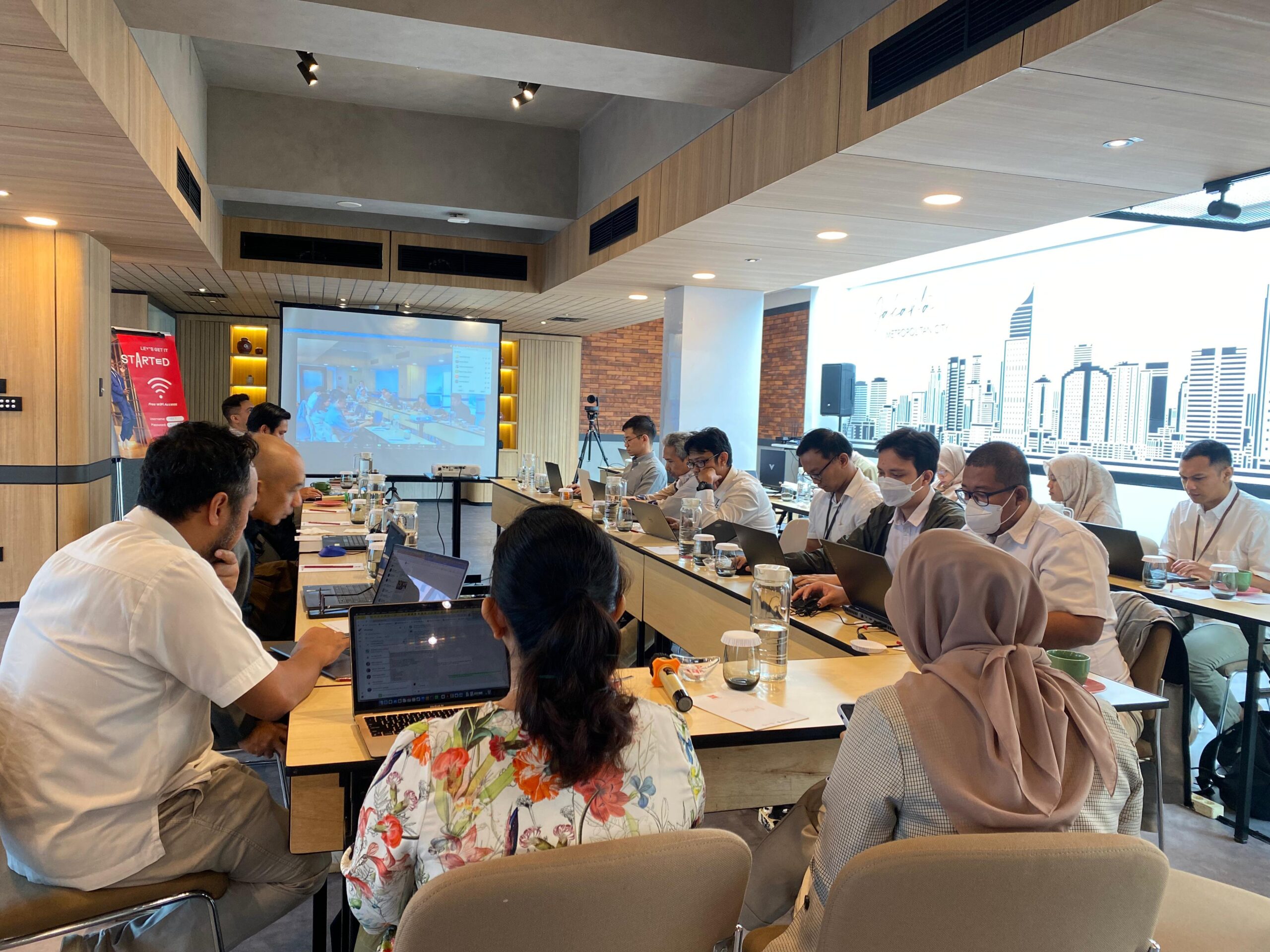 The discussion highlighted the urgency of strengthening EITI’s regulations and institutions, where the revocation of Presidential Regulation 82/2020 has resulted in the loss of legal basis for EITI’s authority, including reporting mechanisms and budget uncertainties. This necessitates a new regulatory framework to support sustainable domestic funding, as recommended by the ESDM Legal Bureau through the establishment of new legislation.
The EITI Secretariat still receives funding support from the World Bank for data development and program sustainability, demonstrating international confidence in EITI’s potential. All stakeholders from government, industry, state-owned enterprises (BUMN), and civil society expressed strong commitment to ensuring Indonesia remains an implementing member of EITI, despite challenges such as limited communication where EITI’s values have not yet permeated local governments and the broader public due to complex language and minimal media exposure.
Other challenges discussed include the benefits of EITI not being immediately felt by stakeholders. From the industry perspective, representatives from IPA, APBI, and IMA noted that incentives, such as rewards for compliant companies, remain unclear, especially for small and non-publicly listed firms. Compliance in the mining sector is considered lower compared to the oil and gas sector.
Meanwhile, local governments, as exemplified by the case presented by Somasi NTB, have a limited role in monitoring company reporting, even though they are directly impacted through revenue-sharing mechanisms like Dana Bagi Hasil (DBH). On the other hand, PWYP Indonesia emphasized the importance of active civil society involvement in this process, so that EITI does not merely become an administrative tool but also serves as a means to promote social and environmental justice.
The forum agreed on the importance of pushing for new, inclusive, and sustainable regulations involving all stakeholders. PWYP Indonesia is committed to continuing this advocacy, including strengthening community capacities in mining-adjacent areas to more actively monitor policies and practices in natural resource management. PWYP Indonesia invites all parties to collaborate in realizing transparent, fair, and maximally beneficial governance of natural resources for the Indonesian people.
Author: Ledis Sixti
Reviewer: Meliana Lumbantoruan