


The government claims that cooperatives can serve as a tool to distribute the economic benefits of mining more equitably. Yet, many unresolved issues remain.
After granting mining business permits (IUP) to religious organizations, the government has now prioritized cooperatives. Minister of Energy and Mineral Resources Bahlil Lahadalia stated that the readiness of cooperative human resources to manage mines can proceed in parallel with the licensing process. “Don’t think you have to be ready first before working. Just do it in parallel,” he said at the Jakarta International Convention Center, Senayan, on Thursday, October 9, 2025.
Meanwhile, Minister of Cooperatives Ferry Juliantono said that the establishment of miners’ cooperatives marks a momentum to strengthen regional economies while responding to public demands for fairness in natural resource management. He cited protests by tin miners in Bangka Belitung, who have been calling for the acceleration of cooperative formation.
According to Ferry, these public demands indicate that the cooperative spirit is being revived across regions. “People see the rise of cooperatives as a new hope—an opportunity to have their own business entities,” he said, as quoted by *Antara*. Ferry also emphasized that this renewed spirit aligns with President Prabowo Subianto’s vision of uniting small economic forces under the cooperative model.
 Speaking to Tempo, Executive Director of the Center for Energy and Mining Law Studies (PUSHEP), Bisman Bhaktiar, said that granting mining permits to cooperatives could serve as an affirmation of efforts to strengthen the people’s economy. However, he emphasized that such allocations must be accompanied by proper verification, capacity-building, and supervision processes. In other words, only cooperatives that meet administrative, technical, and financial requirements should be eligible for concessions. “If the cooperative is poorly managed, the mines will be further damaged, the businesses will stall, or the cooperative will merely serve as a front for private capital owners,” he said on Thursday, October 9, 2025.
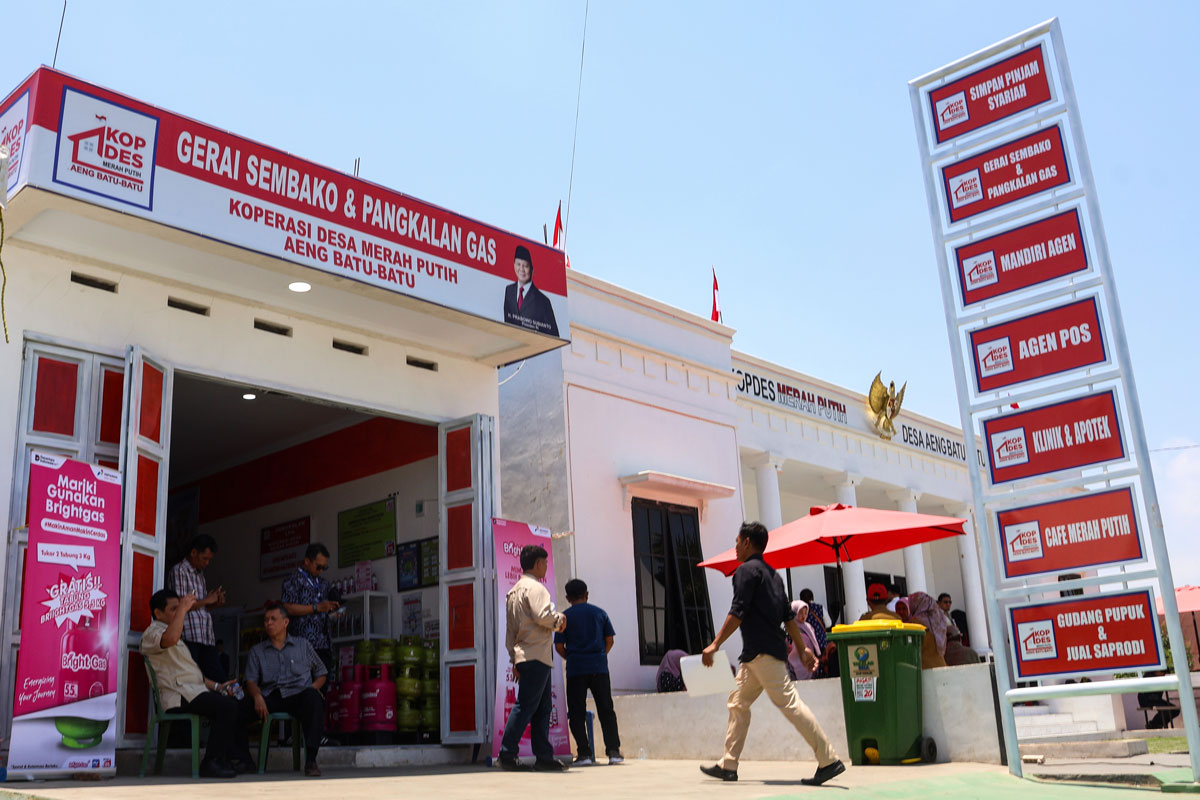
Meanwhile, the Director of Mining Advocacy at the Center of Economic and Law Studies (CELIOS), Wishnu Try Utomo, argued that cooperatives are not an effective tool for ensuring equitable economic benefits from mining. This concern is especially relevant with the establishment of Koperasi Desa Merah Putih, a new business entity whose governance has yet to be tested. “Mining activities might only become a last resort after agriculture, livestock, or similar sectors,” he said last Thursday.
According to Wishnu, there are fundamental issues that continue to hinder the fair distribution of economic benefits from mining to surrounding communities. One major barrier is the limited access to education, which in turn constrains the absorption of local labor. As a result, many workers are brought in from other regions, or even from abroad. “Working in the mining sector requires certain qualifications,” he explained.
National Coordinator of Publish What You Pay (PWYP) Indonesia, Aryanto Nugroho, also argued that cooperatives are not an ideal model for ensuring equitable economic benefits from mining for local communities. According to him, this policy does not guarantee sustainable benefits due to weak accountability mechanisms. “Profits are more likely to flow to a small group of actors rather than to the broader public,” he said.
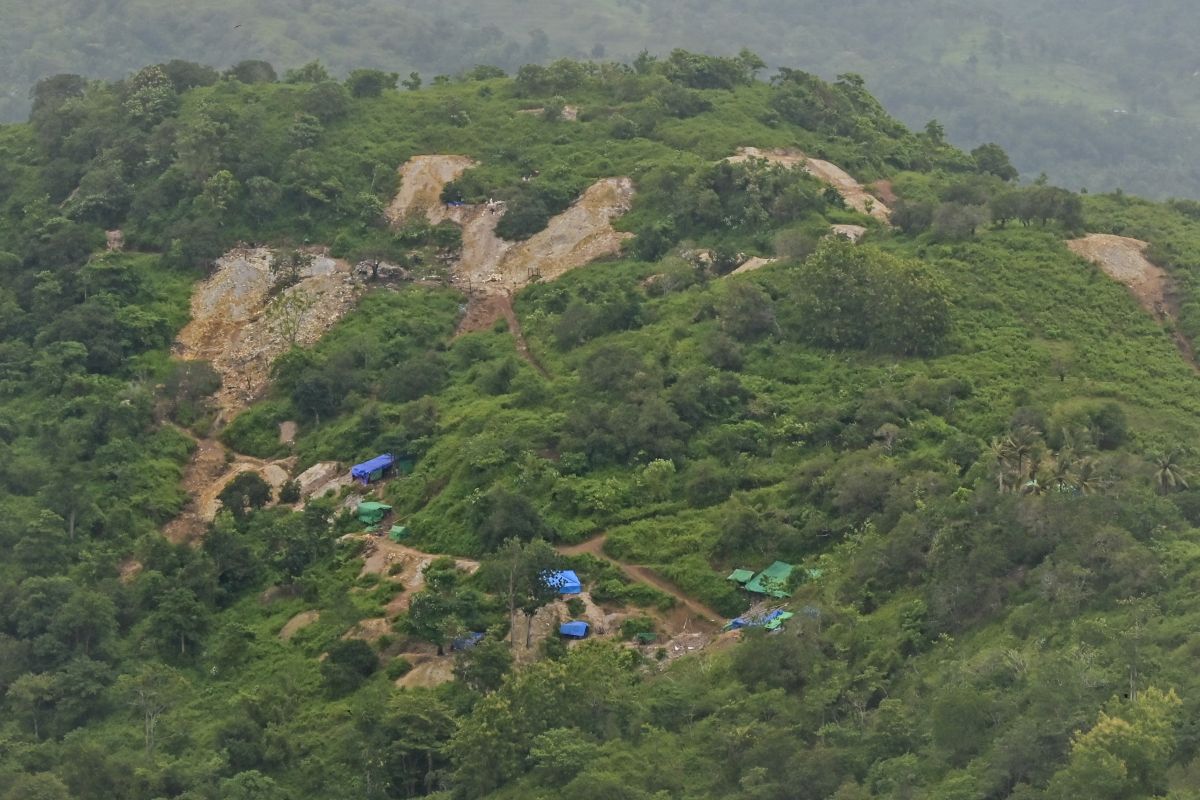 To achieve equitable economic benefits, Aryanto said, mining management should adopt a holistic approach grounded in transparency, accountability, participation, and socio-ecological justice. This includes ensuring transparency in mining contracts or permits, as well as in state revenues.
The government and all business entities, he added, must disclose permit and contract data, and report their tax, royalty, and other payment contributions. “State revenues should be distributed fairly, focusing on public welfare, environmental rehabilitation, and protection,” he said.
Equally important, according to Aryanto, is strengthening oversight and law enforcement. In addition, he emphasized the need for economic diversification—redirecting mining benefits toward non-extractive investments. “For instance, investing in agriculture or tourism so that communities are not entirely dependent on mining,” he concluded.
Source: Tempo