


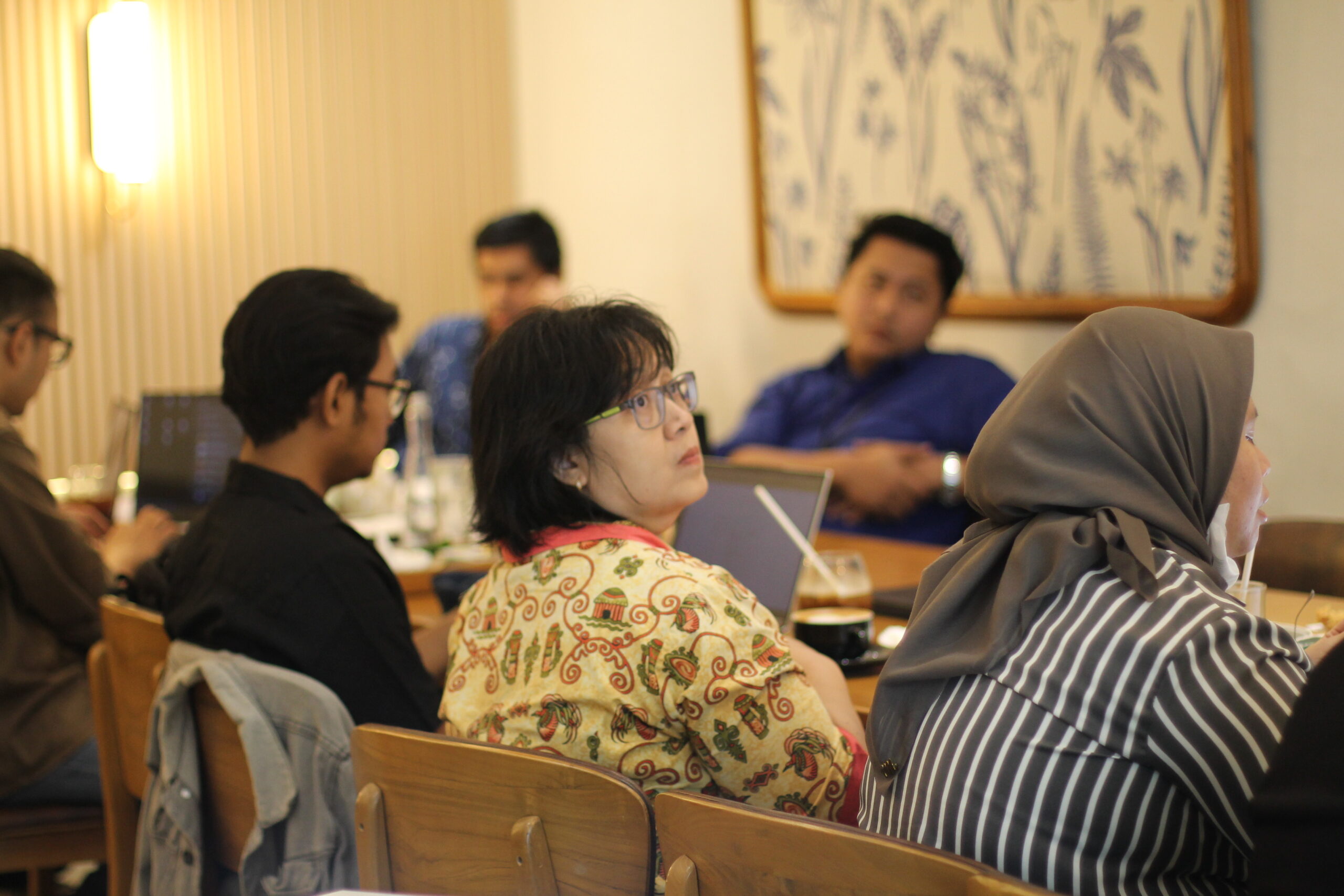
Jakarta, July 9, 2025 – Publish What You Pay (PWYP) Indonesia hosted a discussion titled “Civil Society Organizations (CSOs) Consolidation to Oversee the Selection Process of National Energy Council (DEN) Stakeholder Members (APK).” Held in Jakarta, the event carried the theme “Overseeing DEN Selection, Ensuring a Just Energy Transition.” The discussion featured Mouna Wasef, Head of Research and Advocacy at PWYP Indonesia, and Deon Arinaldo, Program Manager for Energy System Transformation at the Institute for Essential Services Reform (IESR), as key speakers.
The National Energy Council (DEN) plays a critical role in shaping and implementing Indonesia’s national energy policy. Established under Law No. 30 of 2007 on Energy, DEN has four primary responsibilities: designing and formulating the National Energy Policy (KEN) for government approval with parliamentary consent, establishing the National Energy Plan (RUEN), determining steps to address energy crises and emergencies, and overseeing the implementation of cross-sectoral energy policies.
DEN is chaired by the President, with the Minister of Energy and Mineral Resources serving as the chair in an acting capacity. Its membership consists of two groups: seven high-ranking government officials responsible for the energy sector and eight stakeholder members appointed by the House of Representatives (DPR). The stakeholder group represents society, providing input based on academic, environmental, industrial, technological, and consumer perspectives.
The selection process for DEN’s stakeholder members (APK) for the 2026–2030 period is currently underway. Given DEN’s pivotal role in strategic energy decision-making, oversight of this selection process is crucial. An unaccountable selection could impact the direction of national energy policy, particularly in achieving a just energy transition.
During the discussion, Mouna outlined five key points that reflected the CSOs’ stance on overseeing the APK DEN selection. First, candidates must ensure a just energy transition and avoid perpetuating reliance on fossil fuels. Second, the selection process must be free from conflicts of interest, meaning it should be independent of political affiliations or corporate interests to ensure decisions prioritize the public good.
Third, DEN candidates should have a progressive vision for the energy transition, demonstrating a strong commitment to addressing the complex challenges of achieving a just energy transition and tackling climate change.
Fourth, gender representation is essential. The selection process must accommodate the interests of women and vulnerable groups, to achieve a minimum 30% female quota in the APK composition, resulting in at least three women among the eight members.
Finally, the civil society coalition advocates for transparency and public participation. The selection process must be transparent, accountable, and involve public input, including the public disclosure of the names of the selection committee members.
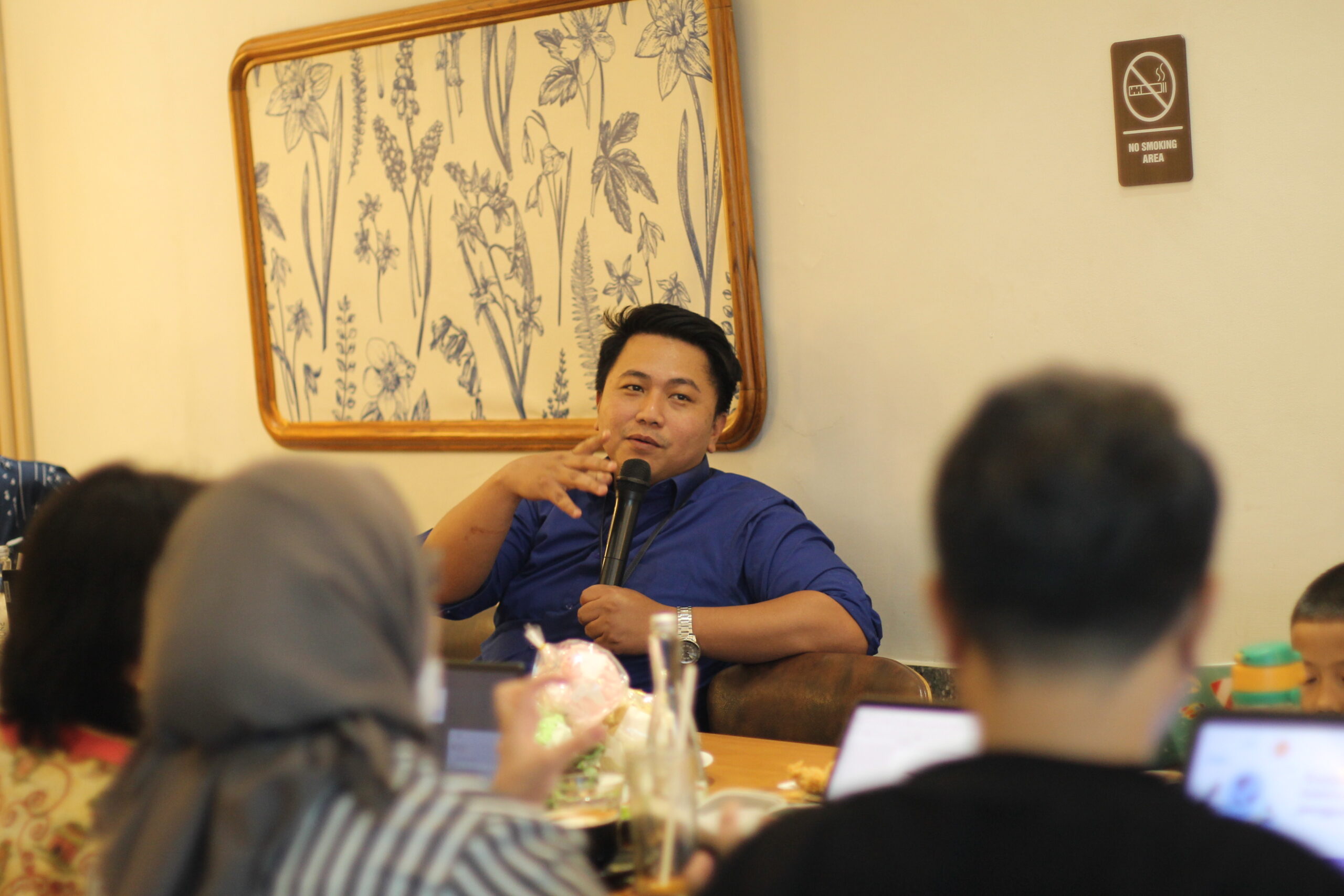 Meanwhile, Deon highlighted the implementation progress of KEN and RUEN, which are part of DEN’s responsibilities. He noted several issues, such as the consistent failure to meet KEN’s energy mix targets. The 23% renewable energy target is deemed unrealistic, yet evaluations of these shortcomings have never been thoroughly discussed.
Deon emphasized the need for transparency in energy policy decision-making. He also stressed the importance of framing the energy transition as a strategy for ensuring long-term energy resilience, making it a priority for DEN in formulating KEN’s System and RUEN. He further urged that KEN and RUEN should not merely reflect the current state of the energy system but serve as a guide for transformative change, including reforming the energy policy framework.
By strengthening civil society consolidation and participation in the APK DEN selection process, it is hoped that the selected members will truly represent public interests and bring a commitment to justice in the energy transition. This is a vital step toward ensuring Indonesia’s future energy policies are inclusive, sustainable, and aligned with the needs of its people.